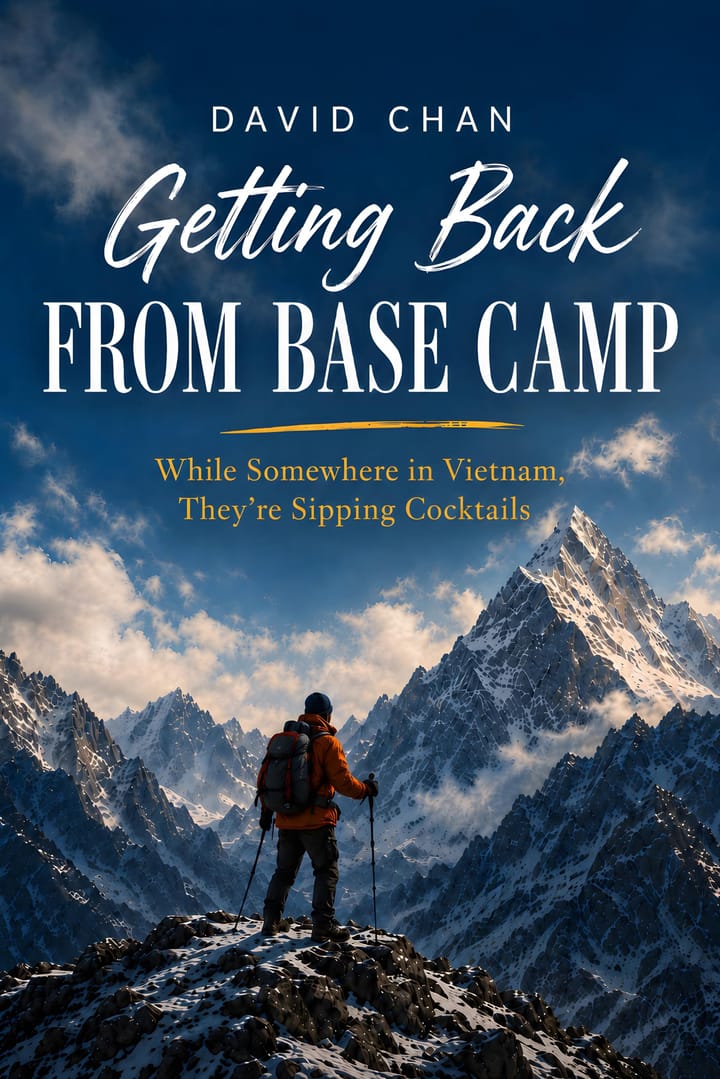
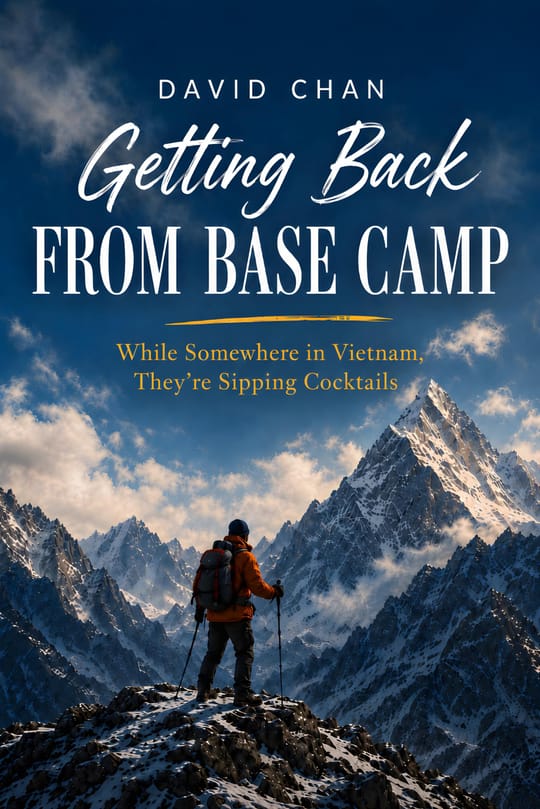
Proceeds support Sir Edmund Hillary’s Himalayan Trust and the people of Nepal. Learn more
Everest Base Camp5,364 m28°00′09″N 86°51′10″E
The story
There are easier ways to mark a fiftieth birthday.
Metres above sea levelSea level0
5,0004,0003,000LuklaBase Camp
The classic Everest Base Camp trail, Lukla to base camp.
Waypoints on the classic Everest Base Camp trail
Waypoint
Altitude
Lukla
2,860 m
Phakding
2,610 m
Namche Bazaar
3,440 m
Tengboche
3,860 m
Dingboche
4,410 m
Lobuche
4,940 m
Gorak Shep
5,164 m
Everest Base Camp
5,364 m
Sea level · 5 a.m.
David Chan knew this. He knew it during the 5 a.m. treadmill sessions, in the insurance paperwork, and in the conversations with his wife that never quite resolved.
Nepal · 2025
He travelled to Nepal to celebrate his fiftieth birthday with a trek to Everest Base Camp, and to raise funds for the Himalayan Trust along the way.
4,300 m
At 4,300 metres, he knew it every time he received a message from his friend celebrating the same milestone while sipping cocktails in Vietnam.
Everest Base Camp · 5,364 m
Getting there was the plan.
5,100 m
And he knew it most clearly at 5,100 metres, unwell and pinned down by a storm, watching his rescue helicopter skid, slide, and crash on landing.
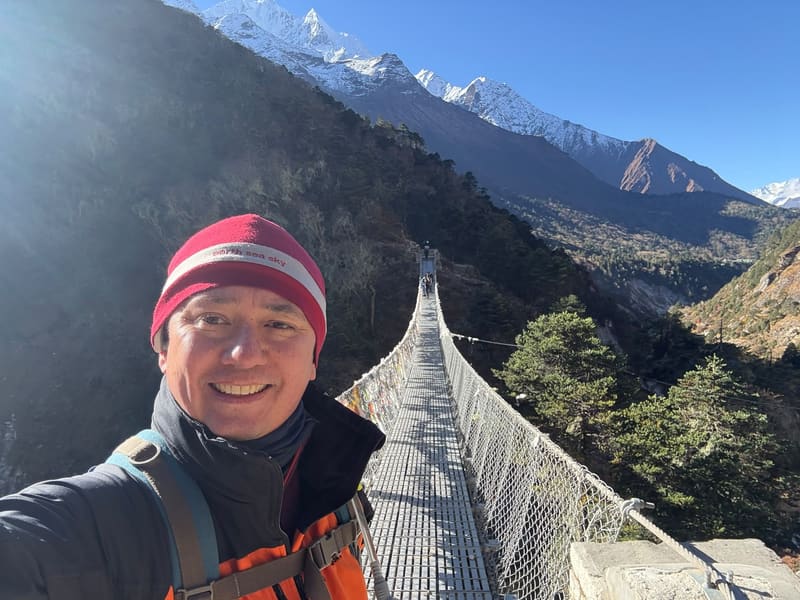
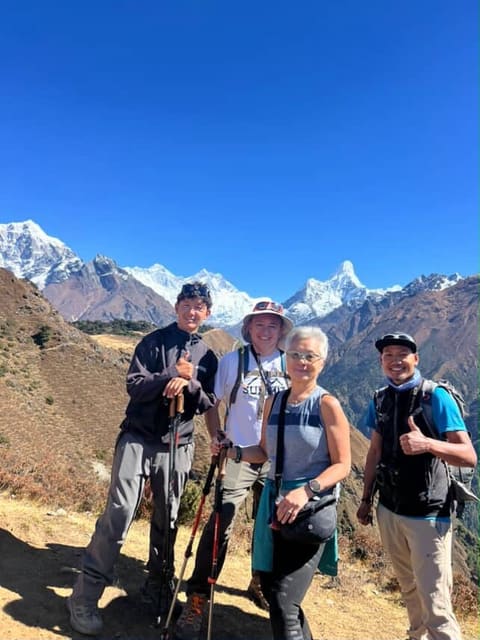
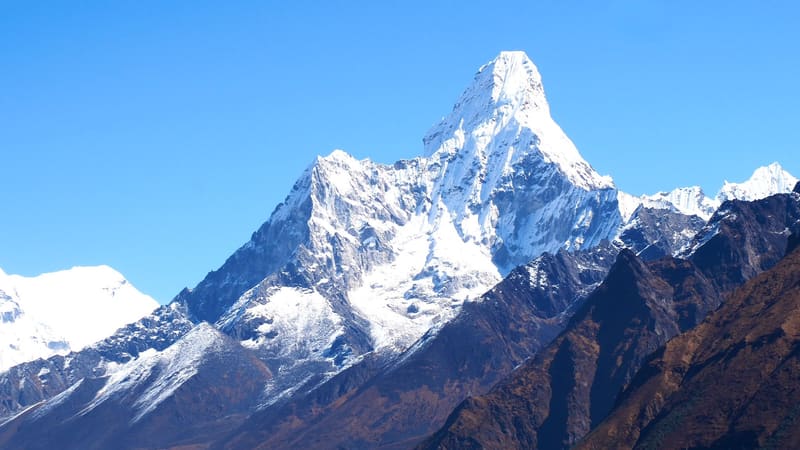
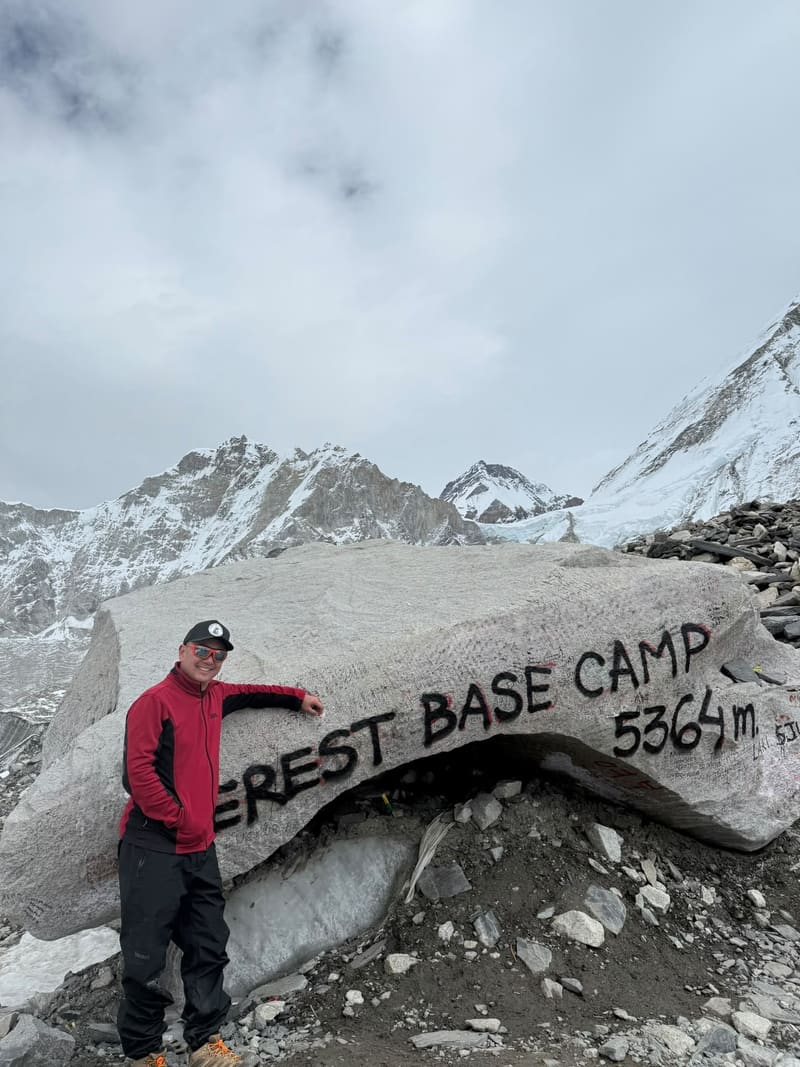
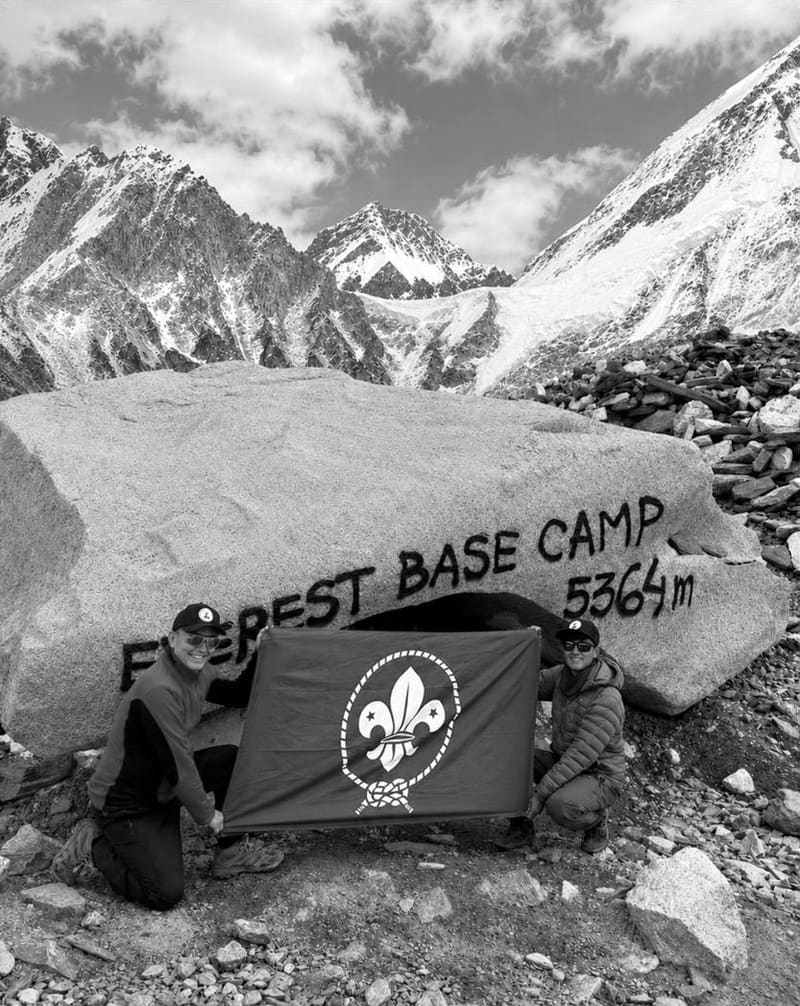
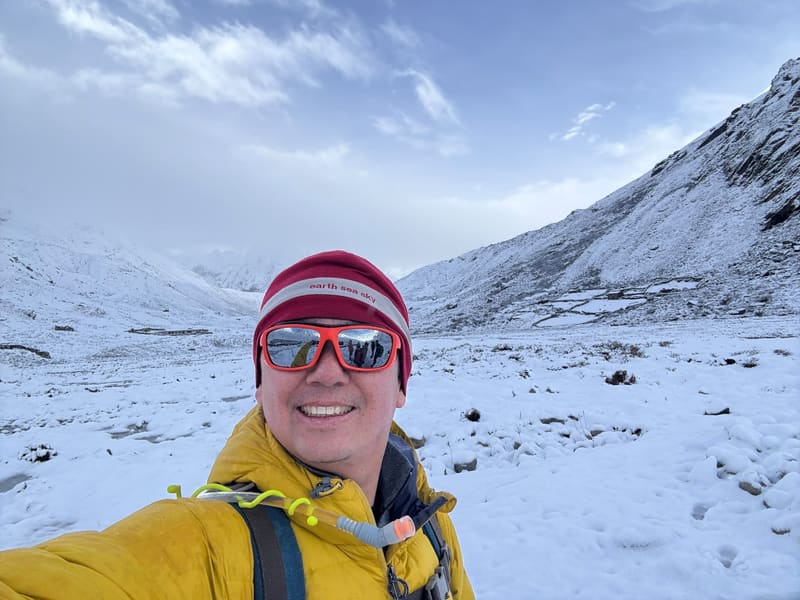
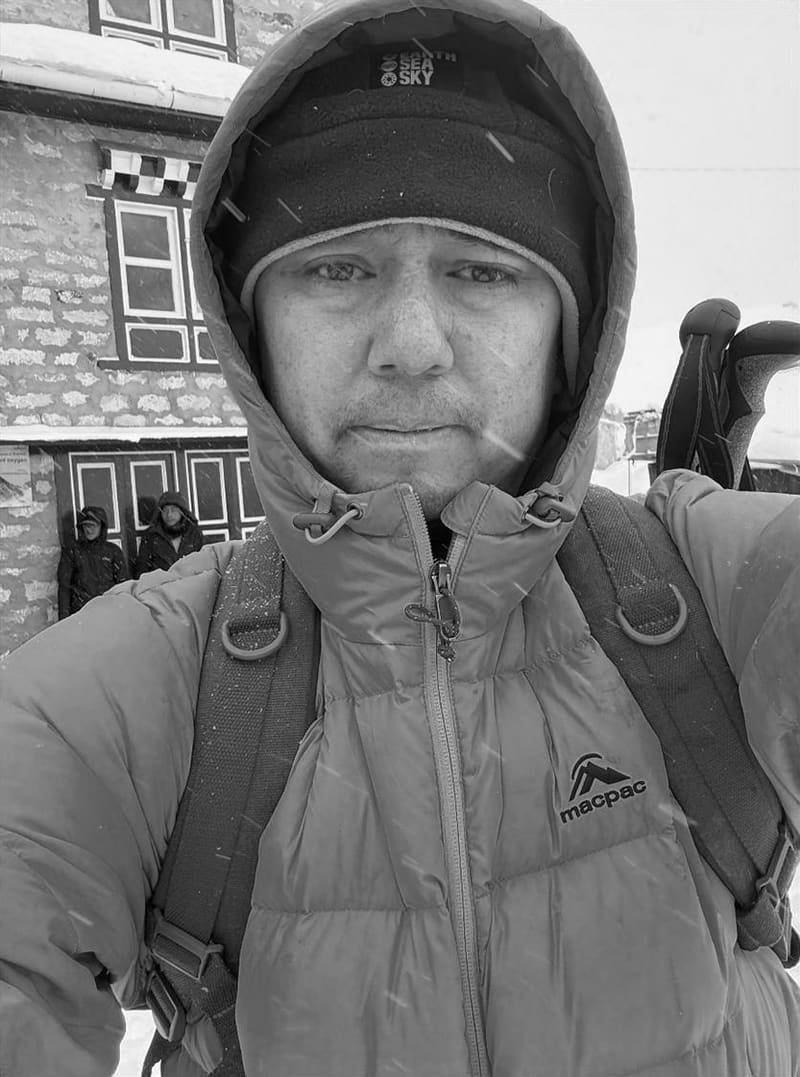
Photographs David took on the way to base camp and back. The black-and-white ones appear in the book.
Crossing one of the trail’s suspension bridges.
With fellow trekkers and Furi Sherpa on the trail to the Hotel Everest View.
Ama Dablam, 6,812 metres, often described as the most beautiful peak in the Himalaya.
At Everest Base Camp, 5,364 metres.
From the book At Everest Base Camp with Furi Sherpa and the Scout flag.
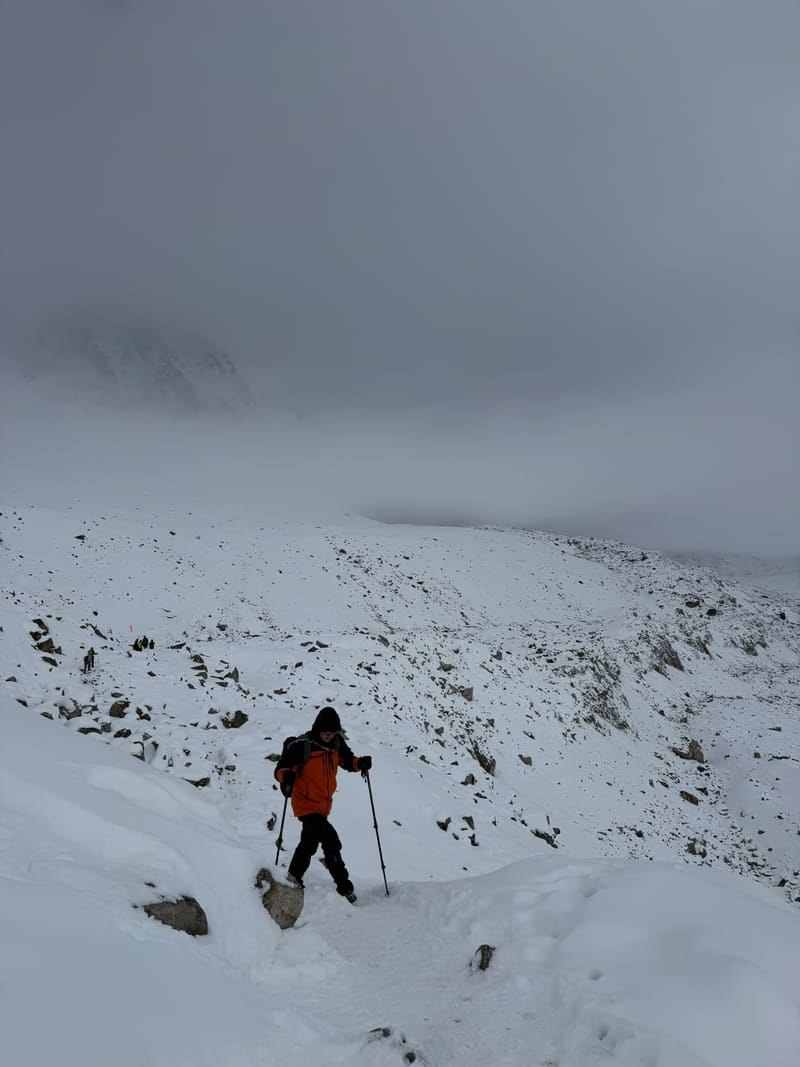
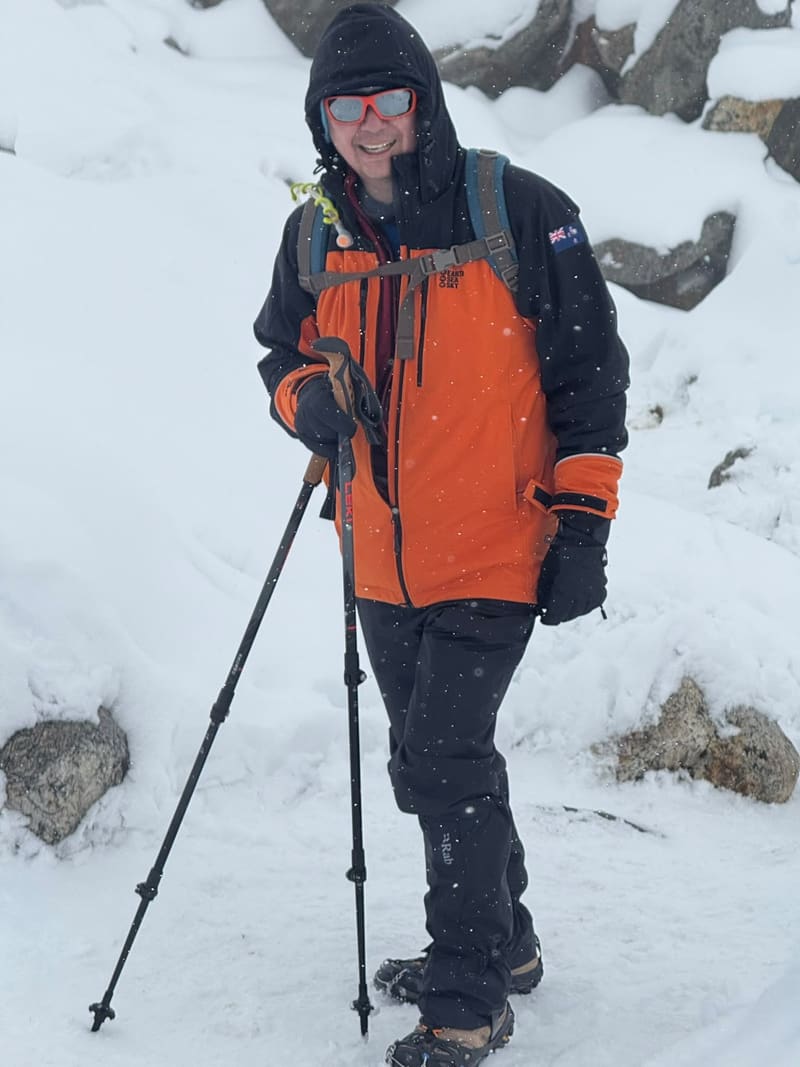
Fresh snow on the trail.
From the book At Gorak Shep, feeling unwell shortly before the helicopter crash.
Descending from Gorak Shep to Pheriche at 5,000 metres.
The book
Part travel memoir, part personal journey.
Getting Back from Base Camp follows David along the Everest trail through storms, setbacks, and moments of unexpected clarity. It explores resilience, perspective, and what it means to keep moving forward when the path ahead is uncertain.
01
Resilience
Storms, setbacks, and a rescue that did not go to plan.
02
Perspective
The stories of the Sherpa people, and the enduring legacy of Sir Edmund Hillary.
03
Moving forward
Finding a way home when everything starts to go wrong.
Written from the trail
Voice recordings
Photographs
GPS data
Journals
Captured throughout the journey, then shaped into an honest, detailed account of one of the world’s most iconic mountain regions.
Read an excerpt
In David’s words.
Chapter 14 Debuche to Dingboche
It was the week my friend Richard and I both turned fifty. He was in Vietnam doing it the sensible way, sun on his face, cocktails within reach, while I was in a lodge at over 4,300 metres thinking about hydration and sleeping altitude. … The contrast was so absurd it became almost funny, then, strangely, clarifying.
Chapter 19 Gorak Shep: Yellow Bird
On the screen was footage of a helicopter buried in the snow. … The machine skidded across the icy landing pad as though the ground were greased, then spun violently and tipped onto its side in a massive plume of snow.
Furi turned to me. “Oh my God,” he said. “It’s crashed.”
“What? It’s crashed?” I asked, still trying to catch up.
“Yes. Our helicopter. The one we called for.”
Chapter 25 Wellington
The best souvenir I brought back was not a photograph at Base Camp. It was not the view from the ridge above Dingboche, or the memory of Everest appearing through the cloud. It was the quiet gratitude of being fortunate enough to go, lucky enough to return, and wise enough, finally, to appreciate how much the people at home had carried while I was away.
Reaching a place is optional. Getting back is mandatory.
On 26 August 2026, part of the glacier on Langtang Lirung collapsed. A torrent of ice, rock, and water tore about 100 kilometres down the Trishuli valley, sweeping away villages, bridges, and livelihoods.
Net proceeds from every sale (book sales less shipping costs and any applicable taxes) support the work of Sir Edmund Hillary’s Himalayan Trust, which has stood with the people of Nepal’s mountains for more than sixty years. David’s trek to base camp raised funds for the Trust too. As Nepal recovers from the floods, every copy continues that support.
Langtang, where the floods beganEverest Base Camp, where the story unfolds
Lives lost
1,400+
Homes destroyed or damaged
27,000+
People affected
1.6 million
Figures as of September 2026. Sources: Nepal National Disaster Risk Reduction and Management Authority; Encyclopaedia Britannica.
David and the Himalayan Trust
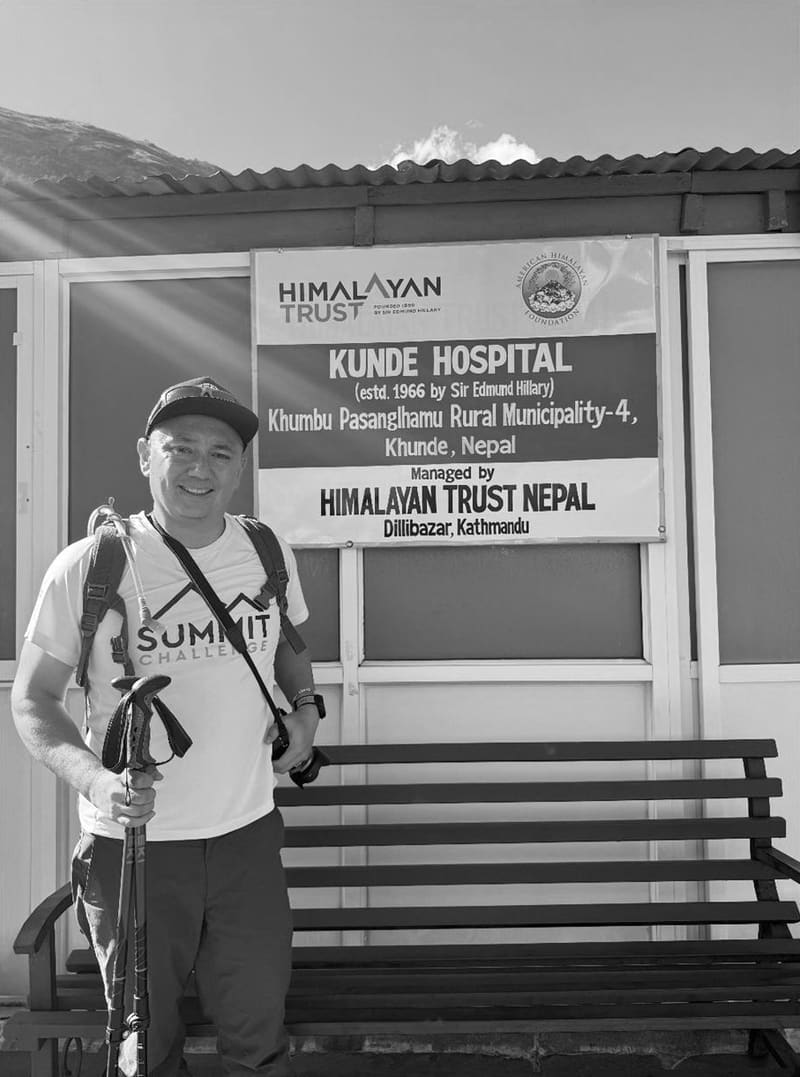
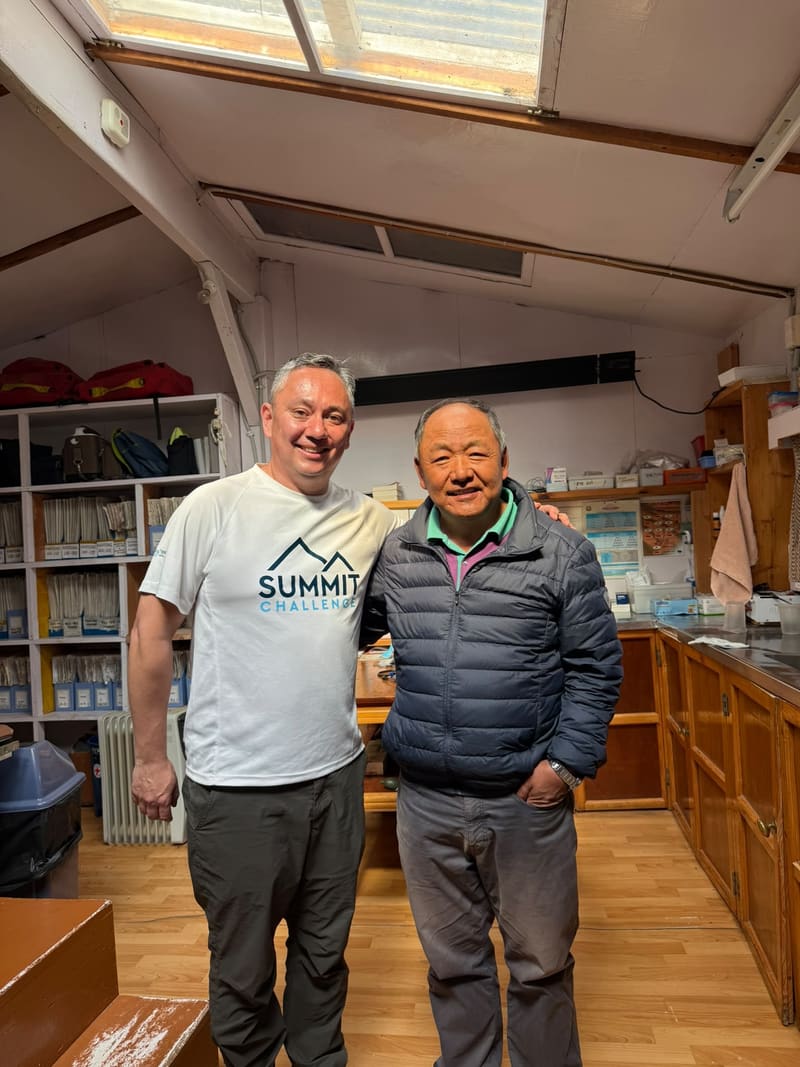
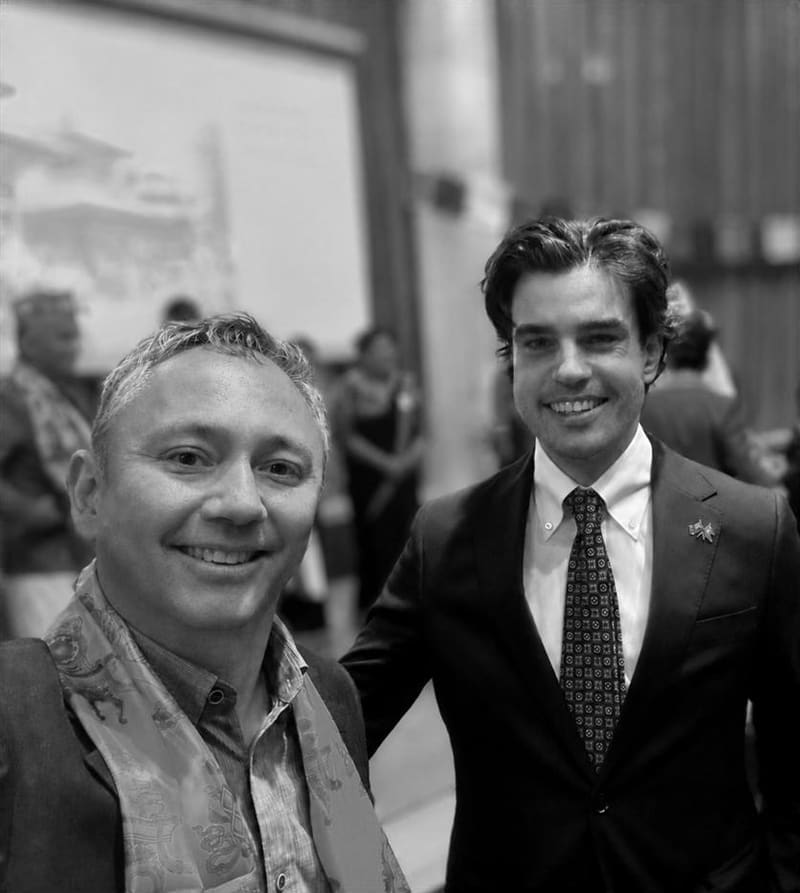
Outside the Himalayan Trust’s Khunde Hospital.With Dr Kami Temba Sherpa at Khunde Hospital.With Alexander Hillary at the Everest Day commemorations, New Zealand’s government buildings.
The author
David Chan
A New Zealand-based husband, father, traveller, and occasional collector of questionable ideas that seem much better at sea level than they do above 5,000 metres.
About halfway between Gorak Shep and Pheriche.
David is a lifelong believer in the value of adventure, service, and leadership, and has dedicated much of his life to volunteering in New Zealand. Through more than 30 years in martial arts and, more recently, Scouting and outdoor education, he has helped young people develop confidence, resilience, leadership, and a spirit of adventure.
Getting Back from Base Camp is his debut book. Drawn from voice recordings, photographs, GPS data, and journals, it combines personal reflection with the stories of the Sherpa people, and reflects his passion for meaningful travel, the legacy of Sir Edmund Hillary and the Himalayan Trust, and the remarkable people of Nepal.